
Nigeria, 2nd Feb 2026 – Vanilla Gift Cards continue to play a significant role in the global prepaid card ecosystem. Widely used for online purchases, gifting, and digital subscriptions, these prepaid cards remain popular across multiple regions, including North America, West Africa, and other international markets. However, despite their broad recognition, Vanilla Gift Cards are not always straightforward to use, particularly in cross-border and online transaction environments.
As a result, secondary gift card trading platforms have become an increasingly relevant part of the digital payments landscape.

Understanding How Vanilla Gift Cards Work
Vanilla Gift Cards are prepaid cards typically issued under major payment networks such as Visa and Mastercard. They are available in both physical and digital formats and are preloaded with a fixed value. Because they are not linked to personal bank accounts, they are commonly used as alternative payment instruments.
While Vanilla Gift Cards appear uniform to consumers, industry professionals recognize that cards issued through different channels and banking partners may behave differently during online transactions. Factors such as issuing characteristics, security controls, and merchant acceptance policies can influence whether a card is successfully used on a particular platform.
Usage Limitations and Transaction Challenges
Although Vanilla Gift Cards are accepted by many merchants, users in certain regions often encounter limitations. These may include declined payments, restricted merchant access, or incompatibility with specific online platforms.
Such challenges are not unique to Vanilla Gift Cards. They reflect broader issues related to prepaid card usage across borders, where fraud prevention systems and regional payment policies play a central role. For many users, these restrictions reduce the practical usability of prepaid cards, even when the card itself remains valid and funded.
Secondary Market Activity and Sell Vanilla Gift Card
In response to these limitations, a secondary market for gift card trading has developed. Instead of attempting repeated transactions on restricted platforms, users increasingly choose to exchange unused gift cards for local currency through structured trading services.
In countries such as Nigeria and Ghana, Vanilla Gift Cards remain actively traded due to consistent demand and their recognition as reliable prepaid instruments. The growth of this market has led to the emergence of specialized platforms that focus on secure evaluation, verification, and exchange processes.
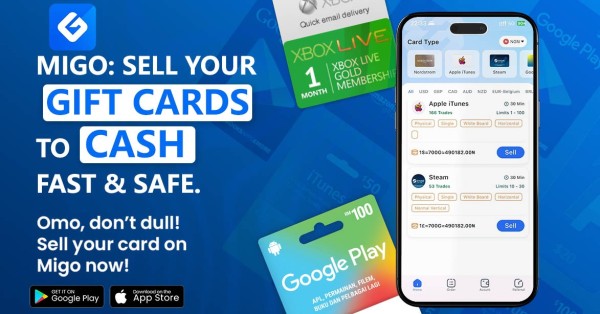
Platforms such as Migo – Sell Gift Cards operate within this ecosystem by providing structured mechanisms for converting prepaid cards into cash. Rather than treating all cards identically, such platforms assess cards based on multiple criteria, including card format, remaining balance, issuing attributes, and prevailing market conditions. This approach helps reduce uncertainty for users seeking legitimate and efficient exchange options.
Balance Verification as an Industry Standard
Verifying a Vanilla Gift Card balance is a standard step prior to use or exchange. Cardholders typically confirm balances through official balance-check channels to ensure accuracy.
Within secondary trading environments, balance verification is also a critical requirement. Platforms like Migo – Sell Gift Cards incorporate verified balance information into their assessment processes, enabling clearer valuation and more predictable transaction outcomes. This practice reflects broader industry standards aimed at improving transparency and user confidence.
Regional Access and Global Participation
The gift card trading market operates across multiple regions, with varying levels of access and processing efficiency. In West Africa, particularly Nigeria and Ghana, prepaid cards such as Vanilla Gift Cards are commonly exchanged due to their role as alternative payment tools in digital commerce.
Global platforms that support these regions illustrate how gift card trading has evolved from informal exchanges into structured digital services. By offering standardized processes and cross-border accessibility, platforms like Migo reflect the growing institutionalization of the gift card resale market.
Industry Context and Consumer Considerations
As prepaid cards continue to be integrated into global commerce, consumer awareness remains essential. Understanding that prepaid cards may function differently depending on issuing and transactional factors helps users make informed decisions about usage and exchange.
Equally important is the role of transparent and compliant platforms in supporting this ecosystem. Structured trading services do not eliminate all risks, but they provide clearer frameworks for users navigating the complexities of prepaid card usage in international markets.
Conclusion
Vanilla Gift Cards remain a widely recognized component of the global prepaid card market. While their flexibility makes them appealing, real-world usage limitations have contributed to the growth of secondary gift card trading platforms.
Within this evolving landscape, services such as Migo – Sell Gift Cards represent a structured response to user demand for secure, transparent, and efficient gift card exchanges. As digital payments continue to expand across regions, the role of such platforms is likely to remain an important part of the broader financial ecosystem.
Website: https://www.migogiftcard.com
iOS Download Link: https://apps.apple.com/us/app/migo-sell-gift-cards/id6670494373
Playstore Link:
https://play.google.com/store/apps/details?id=com.antwallet.giftcard
Media Contact
Organization: Migo – Sell Gift Cards
Contact Person: Media Relations
Website: https://www.migogiftcard.com
Email: Send Email
Country:Nigeria
Release id:40901
The post Vanilla Gift Cards in 2026: Usage, Balance Verification, and Market Overview appeared first on King Newswire. This content is provided by a third-party source.. King Newswire makes no warranties or representations in connection with it. King Newswire is a press release distribution agency and does not endorse or verify the claims made in this release. If you have any complaints or copyright concerns related to this article, please contact the company listed in the ‘Media Contact’ section
Disclaimer: The views, suggestions, and opinions expressed here are the sole responsibility of the experts. No Sandiego Currents journalist was involved in the writing and production of this article.